
Post
Egypt Travel Guide: Everything First-Time Visitors Need to Know
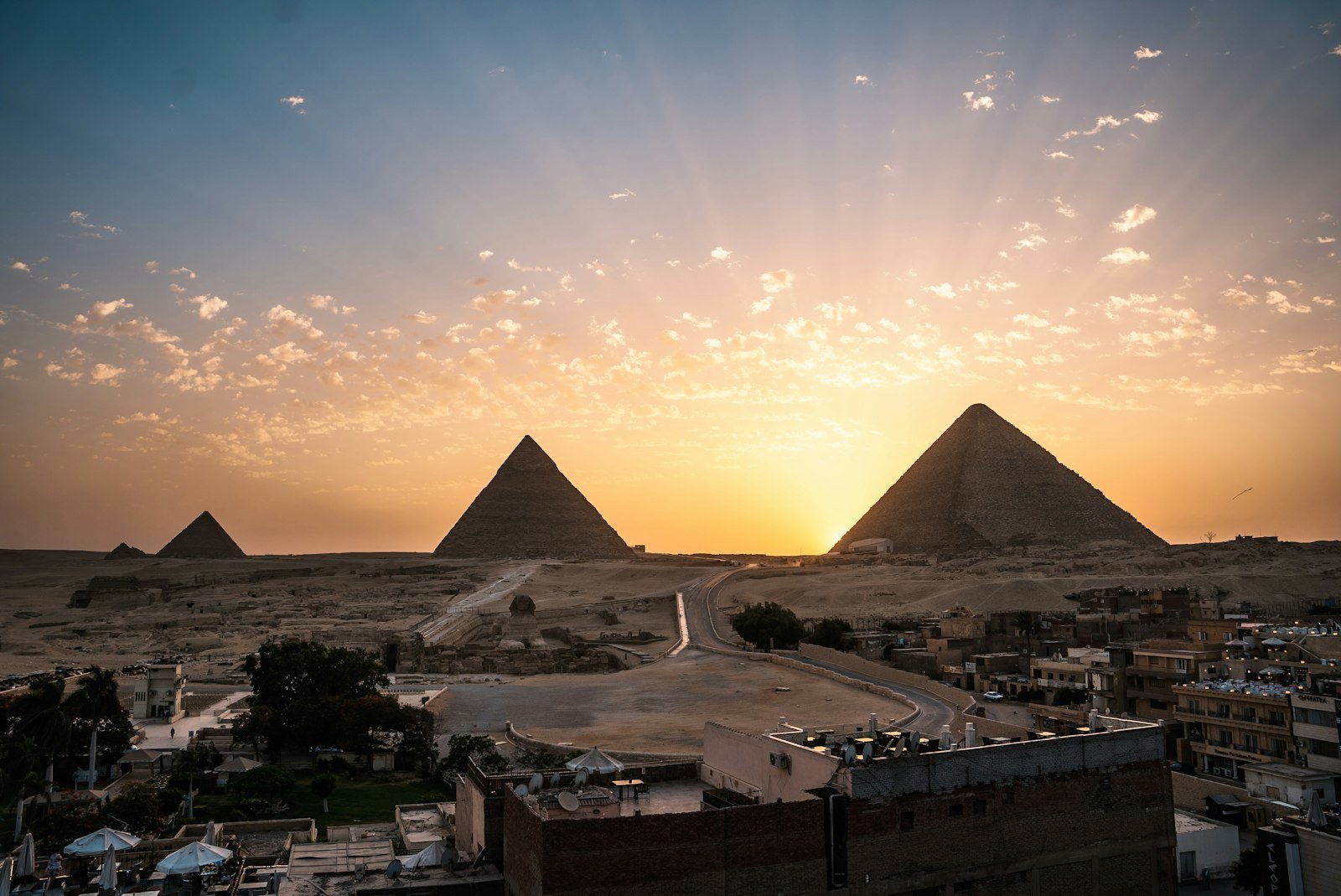
This Egypt travel guide covers what first-time visitors need to know: Egypt rewards travelers who plan by region, not just by date — Cairo and the Nile Valley are best October through April, while Red Sea resorts like Hurghada stay warm nearly year-round. You’ll need a visa, preferably an e-Visa arranged before departure, Egyptian pounds for cash, and a realistic 10- to 14-day itinerary to see more than just the pyramids.
Key Takeaways
- Egypt’s most comfortable months for Cairo, Luxor, and Aswan run October through April; June through August routinely brings 104°F (40°C) heat inland.
- Hurghada and Sharm El Sheikh don’t follow the Nile Valley’s calendar — both stay warm enough for diving and beach time close to year-round.
- Most US and UK passport holders can apply for an Egyptian e-Visa online before departure, avoiding the arrival visa queue.
- A dahabiya, a river cruiser, and a felucca are three different ways to sail the Nile, built for different budgets and different paces.
- Ten to fourteen days covers Cairo, a Nile cruise between Luxor and Aswan, and a few days on the Red Sea coast without rushing any of it.
- The Egyptian pound (EGP) is the local currency, and carrying small notes for tipping (baksheesh) makes daily transactions noticeably smoother.
Table of Contents
- When to Go: Matching Season to Region
- Is Egypt Safe to Visit?
- Entry Requirements: Visa, e-Visa, and Passport Rules
- How Many Days Do You Need?
- Getting Around: Flights, Trains, and Nile Cruises
- Money, Costs, and Practical Basics
- What to Pack and How to Dress
- Common First-Timer Mistakes
When to Go: Matching Season to Region
Egypt doesn’t have one travel season — it has at least two, running on different clocks. The Nile Valley (Cairo, Luxor, Aswan) gets brutally hot in summer, while the Red Sea coast stays swimmable almost year-round.
Cairo, Luxor & Aswan: Cooler Months Matter Most
From June through August, daytime highs in Luxor and Aswan commonly clear 104°F (40°C), and walking around open-air sites like Karnak Temple in early afternoon is genuinely unpleasant. October through April is milder, though Cairo winter nights can dip into the low 50s°F (around 10-12°C), so pack a layer for evenings on the water.
Hurghada & Sharm El Sheikh: A Different Calendar
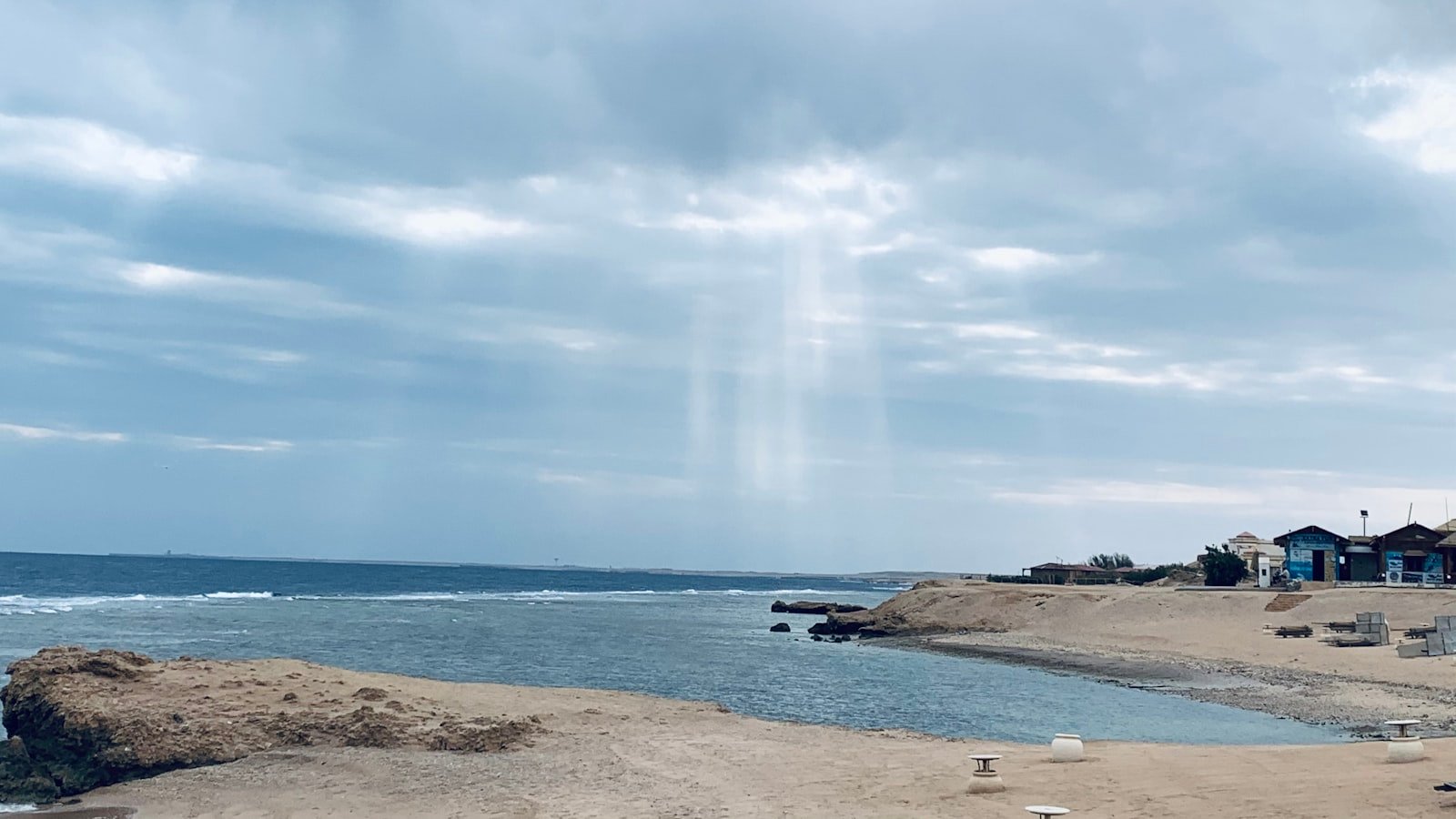
Red Sea water temperatures stay warm enough for diving through most of the year, with March–May and September–November generally considered the sweet spot for calmer wind and good visibility. Peak summer is hot on land but that matters less when most of the day is spent in or near the water.
| Region | Best Months | What to Expect | What to Avoid |
|---|---|---|---|
| Cairo & Nile Valley | October–April | Mild days, cooler nights, comfortable sightseeing | June–August extreme heat (104°F+/40°C+) |
| Hurghada & Red Sea Coast | Year-round; best Mar–May & Sep–Nov | Warm water, strong diving conditions | Winter can be breezy for beach lounging |
| Sharm El Sheikh | Year-round | Warm water, coral reefs, milder coastal summers | August heat outside the water |
For the full month-by-month picture, see our best time to visit Egypt guide.
Is Egypt Safe to Visit?
Egypt’s major tourist circuits — Cairo, Luxor, Aswan, and the Red Sea resorts — see millions of visitors a year and are set up for tourism, but “is it safe” deserves a real answer, not a reassurance. Both the U.S. Department of State and the UK Foreign, Commonwealth & Development Office (FCDO) publish country-specific travel advice for Egypt, including guidance on specific regions to avoid such as parts of the Sinai Peninsula outside the main resort areas. Checking the current advisory a few weeks before departure, and again a few days before, is worth the five minutes it takes.
Within the main tourist areas, the more common risks are mundane: aggressive touting near major sites, inflated prices for anything without a posted rate, and traffic that follows its own rules in Cairo. A private guide or driver — which is how most VIP Tours Egypt itineraries run — removes a lot of this friction simply by handling logistics you’d otherwise negotiate yourself.
Entry Requirements: Visa, e-Visa, and Passport Rules
Most US and UK travelers need a visa to enter Egypt, and the simplest route for first-timers is the official e-Visa, applied for online before departure rather than at the airport counter. A visa on arrival is also available for many nationalities at major airports, but it means standing in a line after a long flight, which the e-Visa avoids entirely. Passports typically need at least six months of validity remaining from the date of entry.
Always check current rules for your nationality on Egypt’s official e-Visa portal before booking.
How Many Days Do You Need?
Egypt punishes rushed itineraries — the sites are spread across a long, narrow country, and the driving or flying time between regions adds up. A first Egypt trip that actually breathes usually looks like this:
- Start in Cairo (3 days). Cover the Giza Pyramids and Sphinx, the Egyptian Museum (or the newer Grand Egyptian Museum), and a walk through Islamic Cairo’s old quarter.
- Fly to Aswan (2 days). See Philae Temple, the High Dam, and take a felucca sail on the Nile at sunset.
- Cruise or drive north to Luxor (2–3 nights). This is where the Valley of the Kings, Karnak Temple, and Luxor Temple live — plan a full day for the west bank alone.
- Fly back through Cairo to Hurghada or Sharm El Sheikh (3–4 days). Swap temples for the Red Sea — diving, snorkeling, or simply slowing down.
- Build in one buffer day before your international flight home, in case of delayed domestic connections.
That’s roughly 10 to 14 days. Compress it much further and something gets cut short — usually Luxor, which deserves more than a rushed half-day.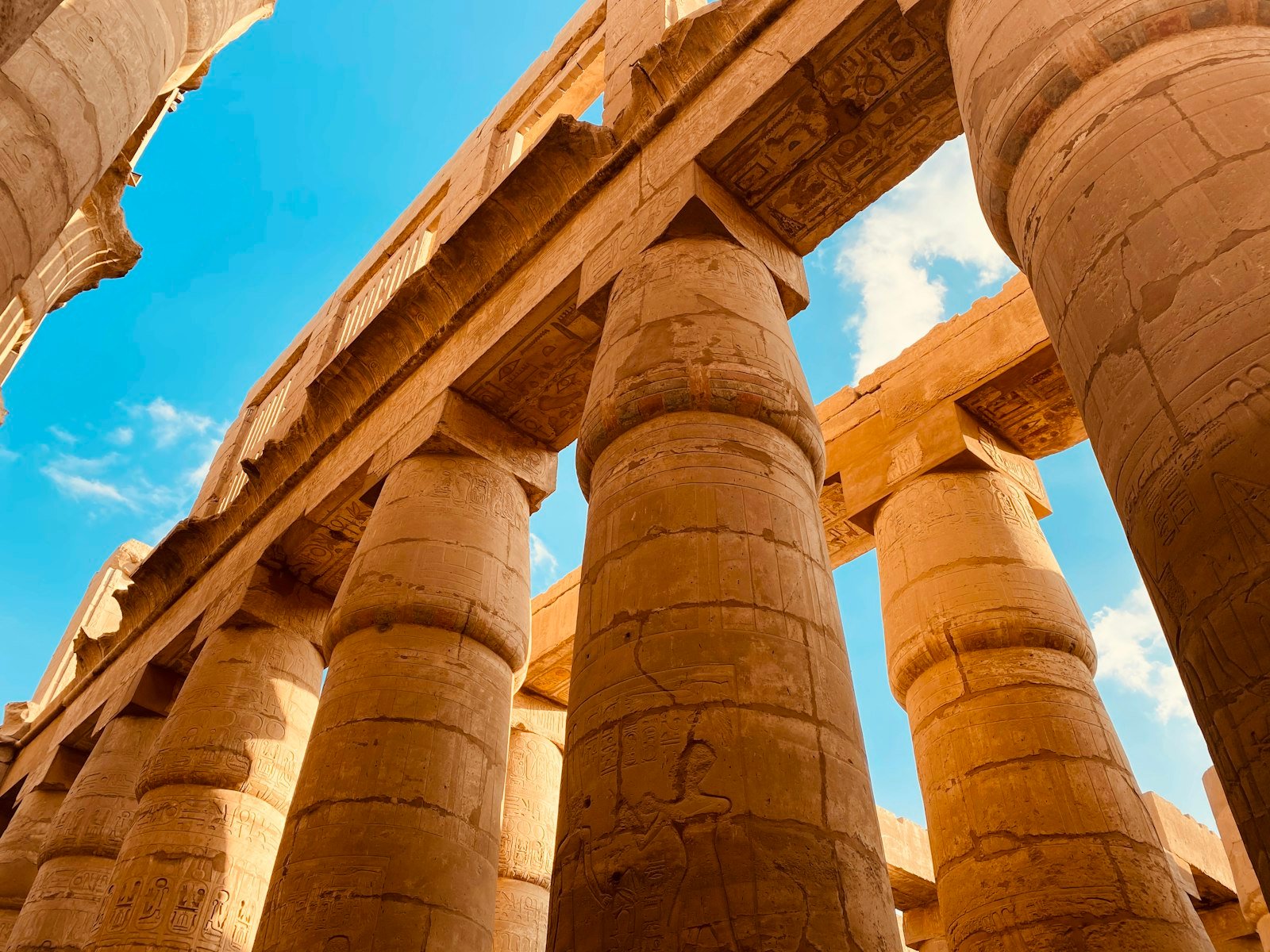
If you’d rather have the route built for you, our complete guide to Egypt tours in 2026 compares the main package styles, and our step-by-step guide to picking an Egypt tour package narrows the shortlist.
Getting Around: Flights, Trains, and Nile Cruises
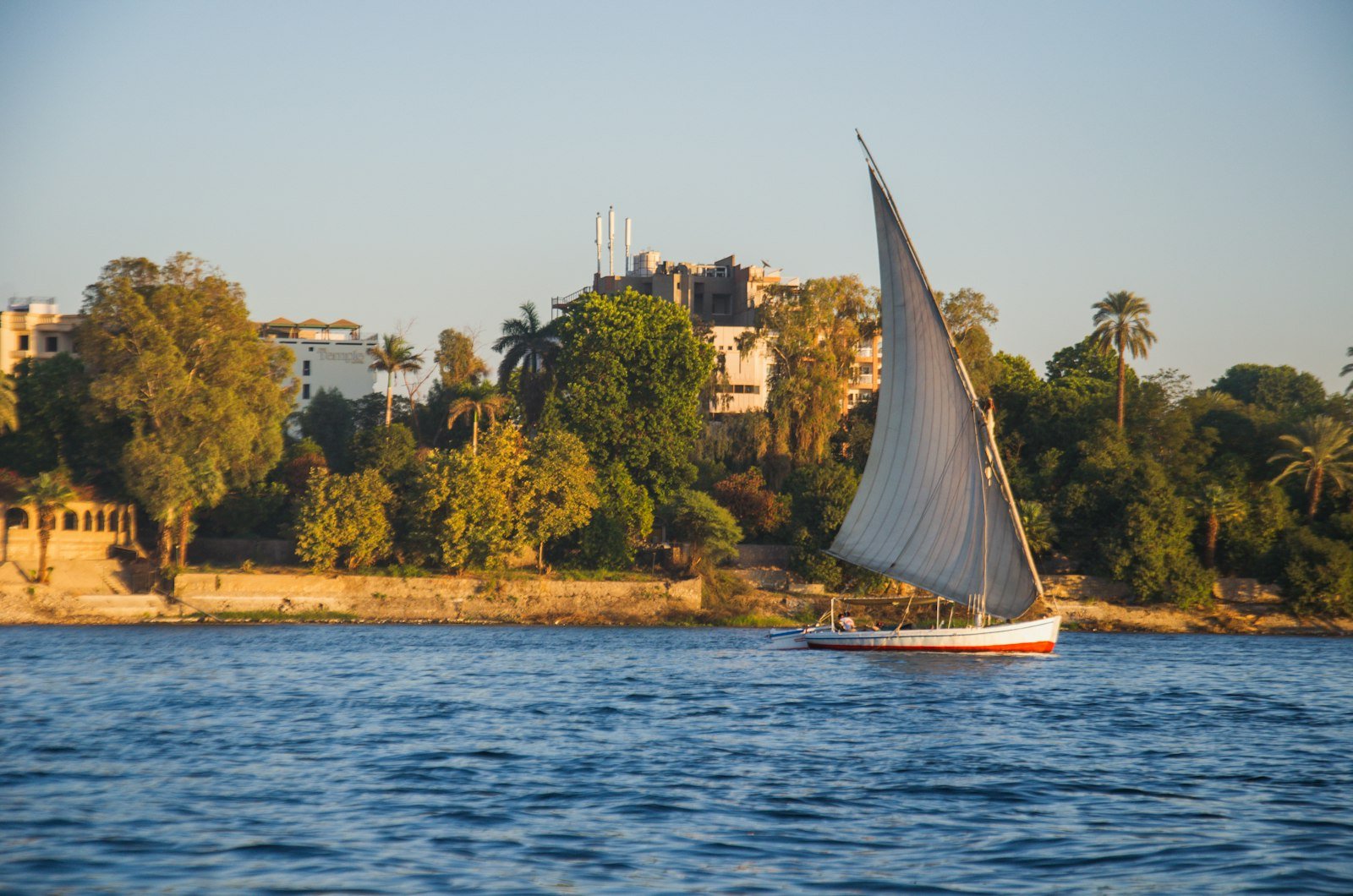
A dahabiya is a small, shallow-draft sailboat with just a handful of cabins that moves at the wind’s pace and can dock at sites the big ships skip. It’s a different experience from a river cruiser, which is a multi-deck hotel-style ship carrying anywhere from dozens to a few hundred passengers between Luxor and Aswan. A felucca, by contrast, is a traditional single-sail boat used mainly for short sunset trips rather than multi-day cruises — not a way to travel between cities, but a worthwhile hour on the water.
Domestic flights connect Cairo to Luxor, Aswan, Hurghada, and Sharm El Sheikh, and are the practical way to cover Egypt’s distances without losing days to road travel. Overnight sleeper trains run between Cairo and Aswan/Luxor as a slower, cheaper alternative. For city-to-site transport — Cairo to Giza, or hotel to temple — a private driver arranged in advance is generally more comfortable than negotiating a taxi rate on the spot.
Money, Costs, and Practical Basics
The Egyptian pound (EGP) is the local currency, and ATMs are widely available in Cairo, Luxor, Hurghada, and Sharm El Sheikh, though smaller towns and Nile-side markets often expect cash only. Tipping — locally called baksheesh — is customary for guides, drivers, and hotel staff, and it’s worth keeping a stock of small EGP notes rather than breaking large bills constantly.
Costs vary widely by travel style. A mid-range trip covering hotels, a Nile cruise cabin, domestic flights, and private guiding sits well below what the same itinerary costs in Western Europe, while five-star Nile ships and luxury Red Sea resorts push costs up accordingly.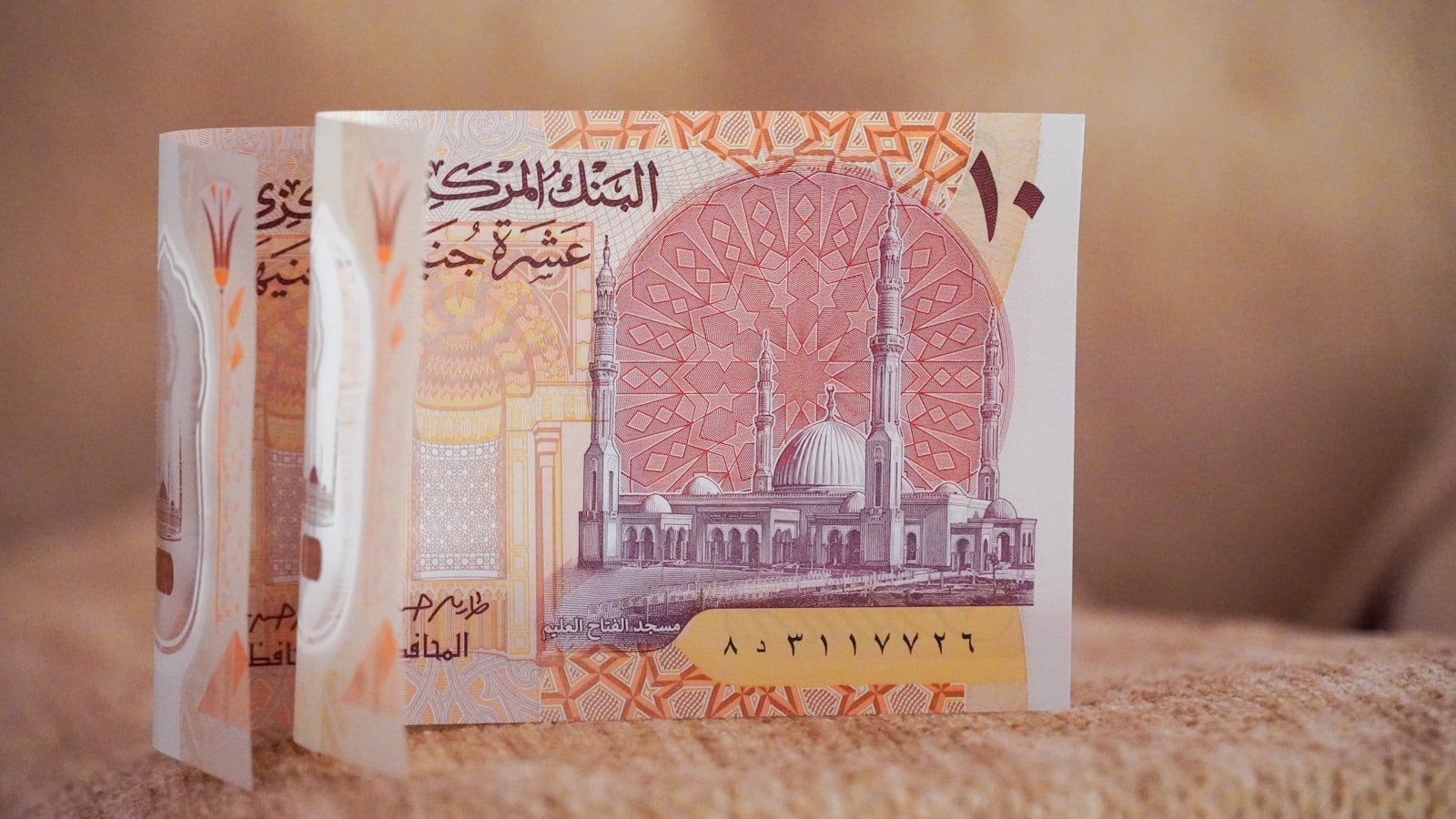
What to Pack and How to Dress
Modest dress — shoulders and knees covered — is expected inside mosques and churches, and it’s a good default at any religious or rural site even when not strictly enforced. Sun protection matters more in Egypt than most destinations: strong UV, minimal cloud cover, and long hours outdoors at open-air sites add up fast. A hat, high-SPF sunscreen, and a refillable water bottle are more useful here than almost anywhere else on a first trip.
Common First-Timer Mistakes
Trying to fit the Giza Plateau and the Egyptian Museum into one afternoon is a common mistake — both deserve unhurried time, and rushing either means missing what makes them worthwhile. Visiting Luxor or Aswan in July or August without accounting for the heat is another: sightseeing between roughly 11 a.m. and 3 p.m. in peak summer is genuinely hard going, and a smarter plan front-loads outdoor visits to early morning.
Worth saying plainly: some tombs in the Valley of the Kings, including Tutankhamun’s, require a supplemental ticket beyond general entry, which catches travelers off guard when it isn’t flagged in advance. And the Karnak sound-and-light show, while popular, is a genuinely mixed experience compared to walking the same temple in daylight — worth knowing before you book it as a must-do.
Planning an Egypt trip that covers Cairo, the Nile, and the Red Sea coast in one visit takes coordination between flights, cruise dates, and regional weather. VIP Tours Egypt builds private itineraries around exactly this kind of first-time trip — pairing a Cairo base, a Nile cruise, and time on the coast into one realistic schedule rather than three disconnected bookings. Browse our full range of Egypt tours to see how these pieces fit together, including our day tour to the Pyramids of Giza and private Nile cruise from Aswan to Luxor. For where to stay along the way, see our handpicked accommodation across Egypt.
VIP Tours Egypt Editorial Team — reviewed in consultation with our Cairo and Luxor-based guides.
Published July 27, 2026. Prices and entry requirements referenced above should be verified as of your travel dates.
Frequently Asked Questions
What is the best time of year to visit Egypt?
October through April is best for Cairo, Luxor, and Aswan, when daytime temperatures are far more manageable than summer’s 104°F+ (40°C+) heat. Hurghada and Sharm El Sheikh run on a different calendar and stay warm enough for diving nearly year-round.
Is Egypt safe for tourists right now?
Egypt’s main tourist circuits are well set up for visitors, but conditions vary by region. Check current guidance from the U.S. Department of State and UK FCDO before booking and again shortly before departure.
Do US and UK travelers need a visa for Egypt?
Most US and UK passport holders need a visa, and an e-Visa applied for online before departure is simpler than the visa-on-arrival line at the airport.
How many days do you need in Egypt?
Ten to fourteen days lets you cover Cairo, a Nile cruise between Luxor and Aswan, and a few days on the Red Sea coast without rushing. Shorter trips usually mean cutting Luxor short, which is worth avoiding.
What’s the difference between a dahabiya, a river cruiser, and a felucca?
A dahabiya is a small sailboat with few cabins that moves at wind speed; a river cruiser is a larger, hotel-style ship; a felucca is a traditional single-sail boat used for short sunset trips, not multi-day travel between cities.
Is Egypt expensive to visit?
A mid-range trip with hotels, a Nile cruise cabin, domestic flights, and private guiding costs well below equivalent Western European travel, though five-star ships and luxury resorts raise the total.
What should I wear in Egypt?
Modest dress covering shoulders and knees is expected at mosques and churches and is a sensible default elsewhere. Strong sun protection — hat, high-SPF sunscreen, water bottle — matters more here than in most destinations.
Whether you think of it as an Egypt vacation, an Egypt holiday, or the trip of a lifetime, the planning logic is the same — and everything below applies equally to a week-long Egypt vacation and a three-week grand tour.
Planning your Egypt trip? Send us your travel dates and the VIP Tours Egypt team will build a tailored private itinerary — no obligation. Chat with us on WhatsApp or send an inquiry online. Or browse all available tours.