
Post
Egypt Travel Guide: Everything First-Time Visitors Need to Know
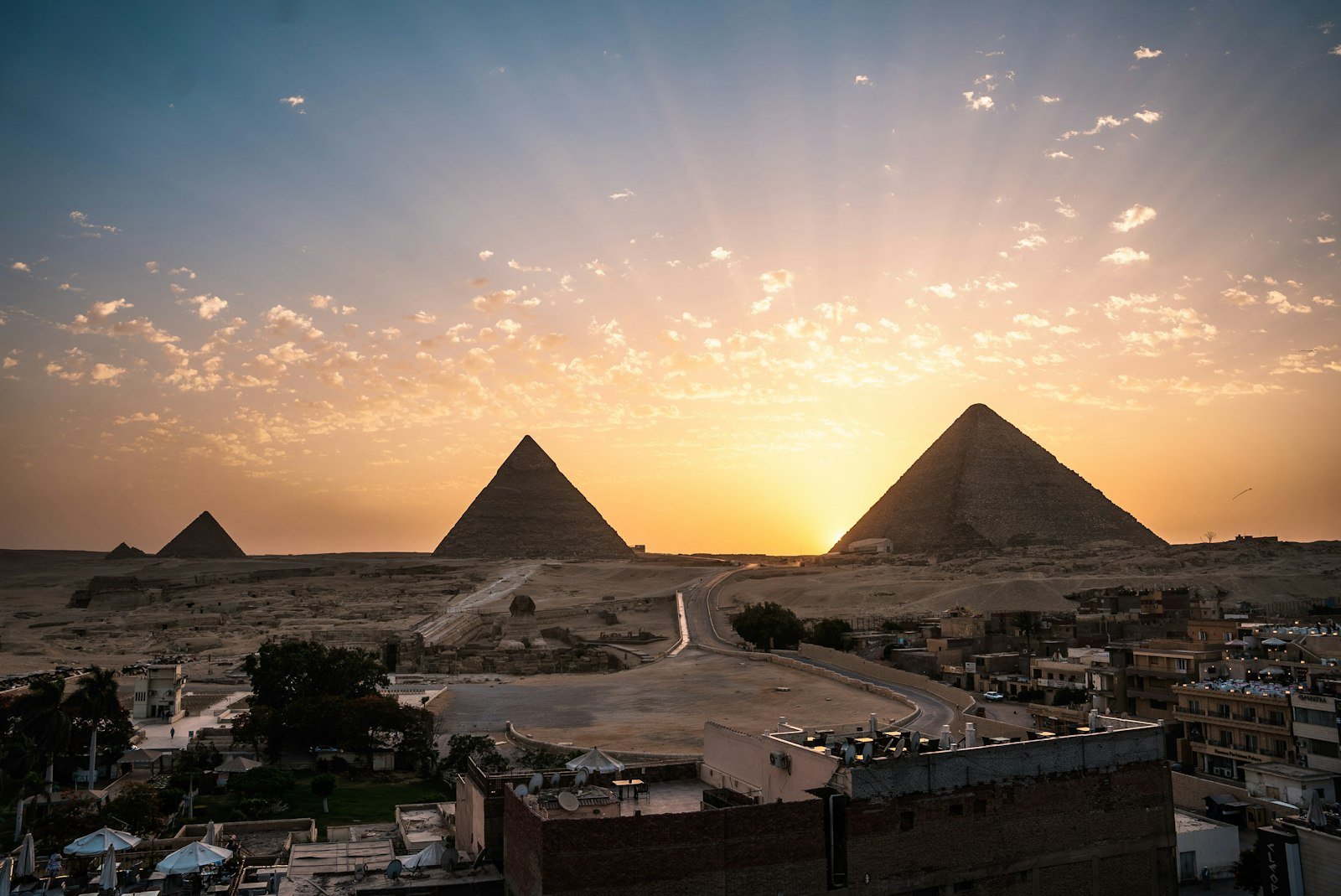
Planning your first trip to Egypt? The best approach is to plan by region, season and travel time—not simply by listing famous attractions. Cairo and Giza offer ancient monuments and energetic city life; Luxor and Aswan reveal the temples and tombs of the Nile Valley; and Hurghada or Sharm El Sheikh provide a slower finish beside the Red Sea.
This Egypt travel guide explains when to go, how to handle visas, what to budget, where to visit and how to build a realistic 10–14 day Egypt itinerary. It also covers practical details that make a first Egypt vacation easier, from tipping and clothing to choosing a Nile cruise.
Egypt Travel Guide: Key Takeaways
- Best time for sightseeing: October to April is generally more comfortable in Cairo, Luxor and Aswan; summer heat can be intense, especially in Upper Egypt.
- Best time for the Red Sea: Hurghada and Sharm El Sheikh offer diving and resort stays throughout much of the year, though winter can be windy and summer is hot.
- Entry requirements: Visa rules depend on your passport.
- Ideal first trip: Allow 10–14 days for Cairo, Luxor, Aswan and a Red Sea stay. A week works if you choose fewer regions.
- Getting around: Domestic flights save time; private transfers simplify day trips; Nile cruises connect major archaeological stops between Luxor and Aswan.
- Money: Carry Egyptian pounds (EGP), especially smaller notes for tips and small purchases.
When Is the Best Time to Visit Egypt?
Egypt has more than one travel season. For archaeological sightseeing in Cairo and the Nile Valley, October through April is usually the most comfortable period. Summer can still be rewarding if you plan early starts, breaks during midday heat and air-conditioned transport.
Cairo, Luxor and Aswan
In Luxor and Aswan, summer daytime temperatures can exceed 40°C (104°F). During hotter months, visit exposed temples and tombs early in the morning and leave indoor museums or rest time for the afternoon. Winter is pleasant for sightseeing, but evenings on the Nile can feel cool.
Hurghada and Sharm El Sheikh
The Red Sea has a different rhythm. Diving and snorkeling are possible across much of the year, with spring and autumn often providing a comfortable balance of air and water conditions. Winter can be breezy, particularly in Hurghada; summer is hot on land.
| Region | Generally comfortable months | Travel note |
|---|---|---|
| Cairo and Giza | October–April | Comfortable for long sightseeing days |
| Luxor and Aswan | October–April | Start early in warmer months |
| Hurghada | Spring and autumn; visits year-round | Winter winds and summer heat vary |
| Sharm El Sheikh | Spring and autumn; visits year-round | Check conditions for specific water activities |
For more seasonal detail, read our best time to visit Egypt guide.
Is Egypt Safe to Visit?
Egypt’s main tourist routes—including Cairo, Giza, Luxor, Aswan and established Red Sea resorts—have extensive visitor infrastructure. However, safety conditions differ by region and can change. Before booking and again before departure, review your government’s current advice, including any restrictions affecting parts of Sinai or border regions.
For everyday travel, use reputable transport, agree on prices before accepting informal services, watch your belongings in crowded places and avoid unplanned travel to restricted areas. Busy roads, persistent sellers near major sites and strong sun are more likely to affect a typical sightseeing day than dramatic incidents.
A knowledgeable local guide and prearranged driver can reduce logistical stress, particularly on a first visit, but no tour arrangement eliminates every travel risk.
Egypt Visa and Entry Requirements
Many visitors, including most ordinary US and UK passport holders, need a visa. Eligible travelers can apply for an Egypt e-Visa in advance; some nationalities can obtain a visa on arrival, while others must arrange permission before traveling. Certain South Sinai resort visits may qualify for a limited entry permission, but that is not suitable for a wider Cairo-and-Nile itinerary.
Check the official Egypt e-Visa portal for nationality eligibility, application steps, fees and supporting documents. The portal advises applying at least seven days before departure. Your passport generally needs at least six months’ validity from arrival; bring the required documents and a printed e-Visa where applicable. Requirements and fees can change, so verify them directly rather than relying on old blog prices.
Best Places to Visit in Egypt for First-Time Travelers
Cairo and Giza: Pyramids, Museums and Historic Streets
Begin with the Pyramids of Giza and the Great Sphinx, allowing enough time to explore the plateau without rushing. Cairo’s major museum collections deserve a separate block of time: check the current opening arrangements and ticketing for the Grand Egyptian Museum and other museums before deciding which to visit. Islamic Cairo, its historic mosques and the Khan el-Khalili area offer a different perspective on the city.
Luxor: Temples and Royal Tombs
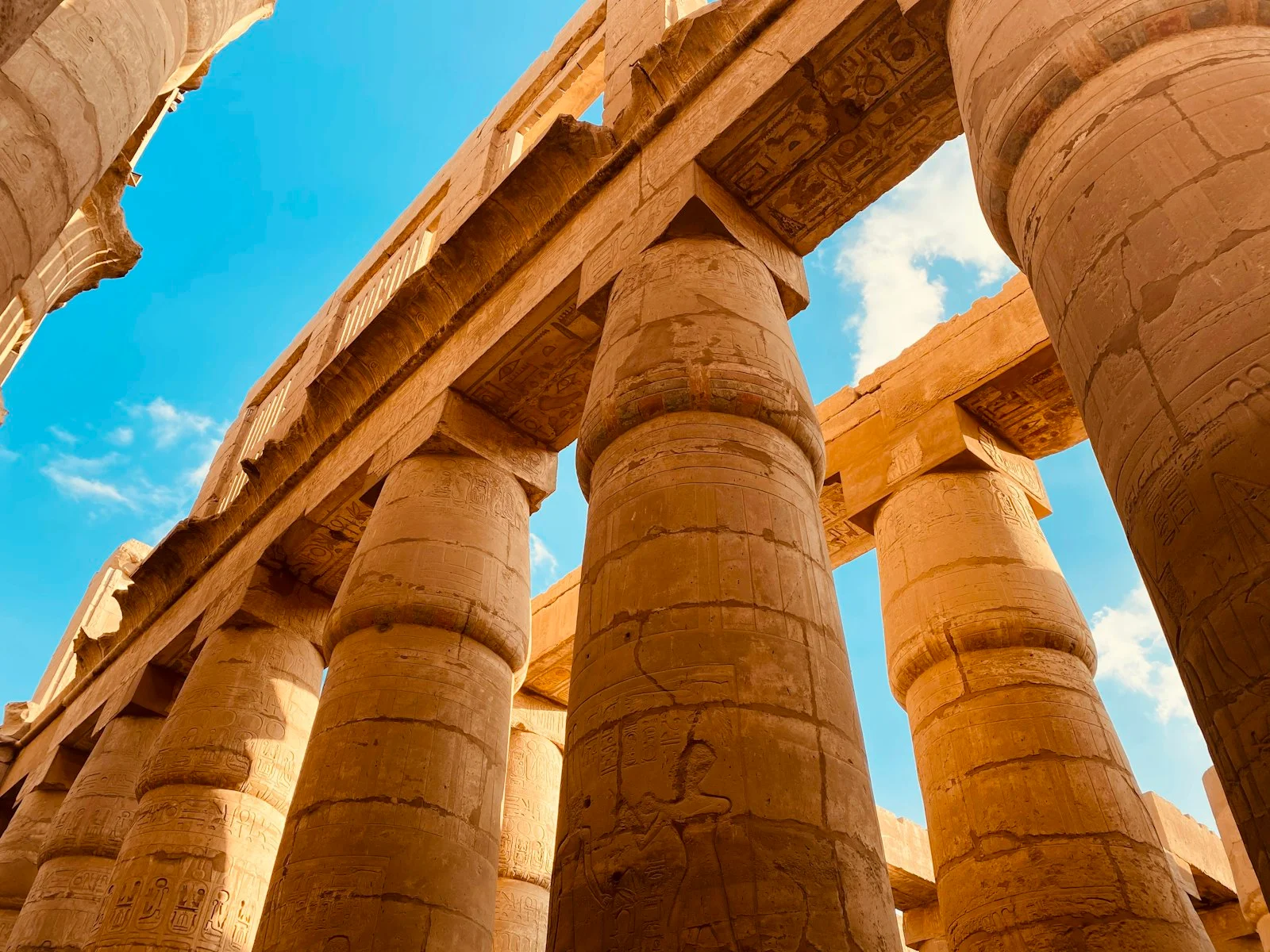
Luxor is one of the richest stops on an Egypt trip. On the east bank, visit Karnak Temple and Luxor Temple. On the west bank, allow ample time for the Valley of the Kings and other archaeological sites. Some tombs require extra tickets, so check your priorities and ticket options before arrival.
Aswan: Islands, Temples and the Nile
Aswan offers a gentler pace, beautiful Nile scenery and visits to Philae Temple. A short felucca sail is a memorable way to experience the river. Abu Simbel is a remarkable optional excursion, but it requires additional travel time and should be planned separately rather than squeezed into a crowded day.
Hurghada and Sharm El Sheikh: Red Sea Time
Choose Hurghada or Sharm El Sheikh if you want snorkeling, diving or a few restful beach days after the temples. Your choice may depend on available flight connections, preferred resort style and the activities you want to book.
Egypt Itinerary: How to Spend 10–14 Days
A 10-day Egypt itinerary is possible, but it works best with a focused route. For a more relaxed first-time visit, 12–14 days gives you room to combine historic sites with a short Red Sea break.
| Days | Suggested plan | Notes |
|---|---|---|
| 1–3 | Cairo and Giza | Pyramids, museum visit and historic Cairo |
| 4–5 | Aswan | Philae Temple, felucca sail; Abu Simbel only if time permits |
| 6–8 | Nile cruise or overland journey to Luxor | Temples along the route, Karnak and Valley of the Kings |
| 9–11 | Red Sea | Relaxation, snorkeling or diving |
| 12 | Departure buffer | Allow for transfers and flight connections |
| 13–14 (optional) | Extra Cairo, Luxor or beach time | Best for a slower itinerary |
If you have only seven days: concentrate on Cairo plus Luxor and Aswan, or Cairo plus a Red Sea resort. Trying to fit every region into one week usually means spending too much time in transit.
If you have ten days: consider three days in Cairo, four days in Luxor and Aswan (including a cruise if schedules fit), and two or three days for the coast or extra sightseeing. Confirm flight and cruise timings before committing.
For package planning, see our Egypt tours guide and guide to choosing an Egypt tour package.
Getting Around Egypt: Flights, Trains and Nile Cruises
Domestic flights are often the quickest way to cover the distance between Cairo and Upper Egypt or Red Sea destinations. Trains can be useful on the Cairo–Luxor–Aswan corridor, although schedules, classes and prices should be checked for your travel dates. For shorter journeys, prearranged private transfers can make multi-stop sightseeing more straightforward.
Nile Cruise, Dahabiya or Felucca?
A Nile River cruise is a popular way to combine accommodation and sightseeing between Luxor and Aswan. Larger cruise ships generally provide hotel-style cabins and organized excursions. A dahabiya is a smaller vessel that often offers a quieter, more intimate experience, though routes and sailing arrangements vary. A felucca is a traditional sailboat commonly booked for short outings around Aswan; do not confuse a sunset sail with a full Luxor–Aswan cruise.
Before booking, compare the actual itinerary, number of nights, included entrance tickets, guide arrangements and transfer details—not just the cruise name.
How Much Does an Egypt Trip Cost?
The cost of an Egypt trip depends heavily on travel dates, hotel category, domestic flights, guide services, cruise type and how many regions you visit. Rather than relying on a single advertised daily price, build your budget around the major components below.
| Budget item | What changes the cost | Planning tip |
|---|---|---|
| Accommodation | City, season and hotel standard | Compare locations, not only star ratings |
| Domestic transport | Flights versus trains and private transfers | Price your route before choosing hotels |
| Nile cruise | Ship type, cabin, inclusions and duration | Check whether visits and entrance fees are included |
| Sightseeing | Site tickets and optional tomb access | Set aside a separate admissions budget |
| Food and drinks | Local restaurants versus hotel dining | Carry cash for smaller establishments |
| Guides and drivers | Private versus shared arrangements | Confirm exactly what is included |
| Tips | Service type and personal preference | Keep small Egyptian-pound notes available |
A budget Egypt vacation typically prioritizes simpler hotels, selective paid activities and public or shared transport. A mid-range Egypt trip may combine comfortable hotels with some private guiding and domestic flights. A luxury Egypt vacation often adds premium hotels, private transport and a higher-end Nile cruise.
Because exchange rates and supplier prices change, request a dated quote for your exact itinerary before treating any estimate as final. For lodging options, browse our Egypt accommodation selection.
Money, Tipping and Practical Travel Basics
The Egyptian pound (EGP) is the local currency. ATMs are common in major cities and tourist areas, but cash remains useful at markets, for small purchases and for tips (often called baksheesh). Keep smaller notes rather than relying only on large denominations. Card acceptance varies by establishment, and exchange rates should be checked close to departure.
Use bottled or appropriately filtered drinking water, stay hydrated during outdoor sightseeing and protect yourself from the sun. Mobile connectivity can be arranged through a compatible eSIM or local SIM, subject to your phone and provider. Download offline maps and save hotel and driver contact details before long travel days.
What to Wear and Pack for Egypt
Pack for the season and your activities. Lightweight, breathable clothes and comfortable walking shoes work well for most sightseeing days. In mosques, churches and more conservative settings, clothing that covers shoulders and knees is a respectful choice. Bring an extra layer for cooler winter evenings, desert outings or air-conditioned transport.
First-time Egypt packing checklist:
- Passport, visa documentation and copies of essential reservations
- Comfortable walking shoes and breathable clothing
- Sun hat, sunglasses and high-SPF sunscreen
- Refillable water bottle and access to safe drinking water
- Light scarf or layer for religious sites and cooler evenings
- Necessary medications and a basic personal first-aid kit
- Charging cable, power bank and suitable plug adapter
- Small Egyptian-pound notes for tips and purchases
Egyptian Food to Try on Your First Visit
Sampling Egyptian food adds another dimension to the trip. Start with koshari, a filling combination of rice, pasta, lentils, chickpeas and tomato sauce. Ful medames (slow-cooked fava beans) and taameya (Egyptian-style falafel commonly made with fava beans) are popular breakfast foods. You may also encounter molokhia, a leafy green soup or stew, and mahshi, vegetables stuffed with seasoned rice.
Choose busy, reputable food establishments, pay attention to food handling and ask about ingredients if you have allergies or dietary restrictions. You do not need an elaborate food tour to enjoy Egyptian cuisine: a simple local meal can be one of the most memorable parts of your visit.

Common Mistakes First-Time Visitors Should Avoid
Trying to do too much in one day. Giza, Cairo’s museums and the city’s historic neighborhoods all deserve time. Traffic and transfers can take longer than expected.
Ignoring the heat. In summer, plan exposed archaeological sites early and keep midday schedules flexible.
Assuming all tickets are included. Special tombs, optional excursions and some museum experiences may require separate admission.
Booking a Nile cruise without reading the itinerary. Compare sailing nights, actual sightseeing stops, included guiding and transfers.
Leaving entry paperwork until the last minute. Verify nationality-specific rules early and use official government sources.
Underestimating travel distances. Egypt’s attractions are spread across multiple regions; a realistic route makes a better holiday than an overloaded checklist.
Frequently Asked Questions About Traveling to Egypt
What is the best month to visit Egypt?
For a trip focused on Cairo, Luxor and Aswan, the cooler months from October through April are generally preferable. The best month for you depends on whether you prioritize sightseeing, beaches, diving or lower crowd levels.
Is Egypt safe for first-time tourists?
Many travelers visit Egypt’s established tourist destinations, but risks and official advisories vary by region. Check current government guidance, use reputable transport and follow local instructions.
Do I need a visa to travel to Egypt?
That depends on your nationality, passport and route. Most US and UK tourists need a visa; eligible travelers can apply online. Confirm the current rules on the official Egyptian e-Visa portal.
Is 10 days enough for Egypt?
Yes. Ten days can cover Cairo and the main Nile Valley highlights if transport is planned carefully. Add more days if you also want a relaxed Red Sea stay.
How much does it cost to visit Egypt?
There is no single reliable price for every traveler. Hotels, cruise category, flights, tickets and private services have the biggest impact. Build a route first, then compare itemized quotes for your travel dates.
Should I choose a Nile cruise or travel by road?
A Nile cruise combines transport, accommodation and sightseeing in one experience. Road travel offers more flexibility in timing and hotel choice. Compare the actual stops and time available at each site.
What should I wear in Egypt?
Comfortable, breathable clothing is suitable for sightseeing. Dress modestly at religious sites and bring sun protection plus an extra layer for cooler evenings.
What Egyptian food should I try?
Koshari, ful medames, taameya, molokhia and mahshi are good starting points for exploring Egyptian cuisine.
Plan Your Egypt Trip With VIP Tours Egypt
The most enjoyable Egypt itinerary is not necessarily the one with the most stops. It is the one that balances Cairo’s highlights, the Nile Valley’s ancient sites and enough time to appreciate each place.
VIP Tours Egypt can help you organize a private itinerary around your dates, preferred pace and travel interests, including Cairo sightseeing, Nile cruises and Red Sea stays. Explore our Egypt tours, send an inquiry or chat with our team on WhatsApp.